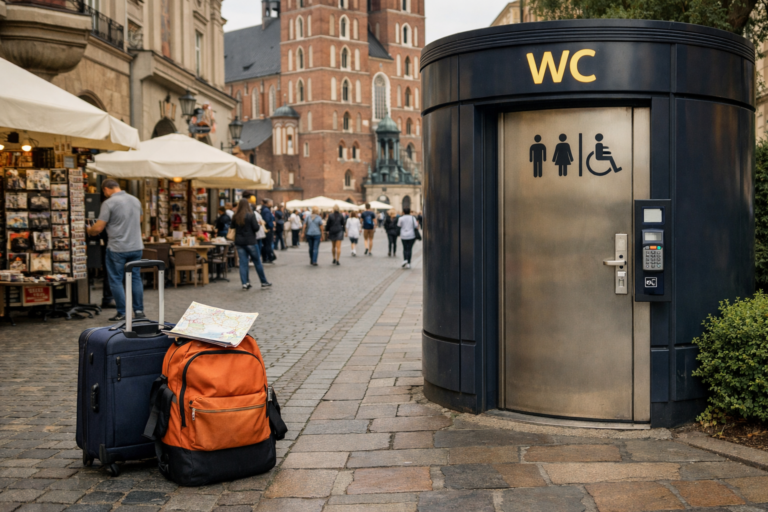
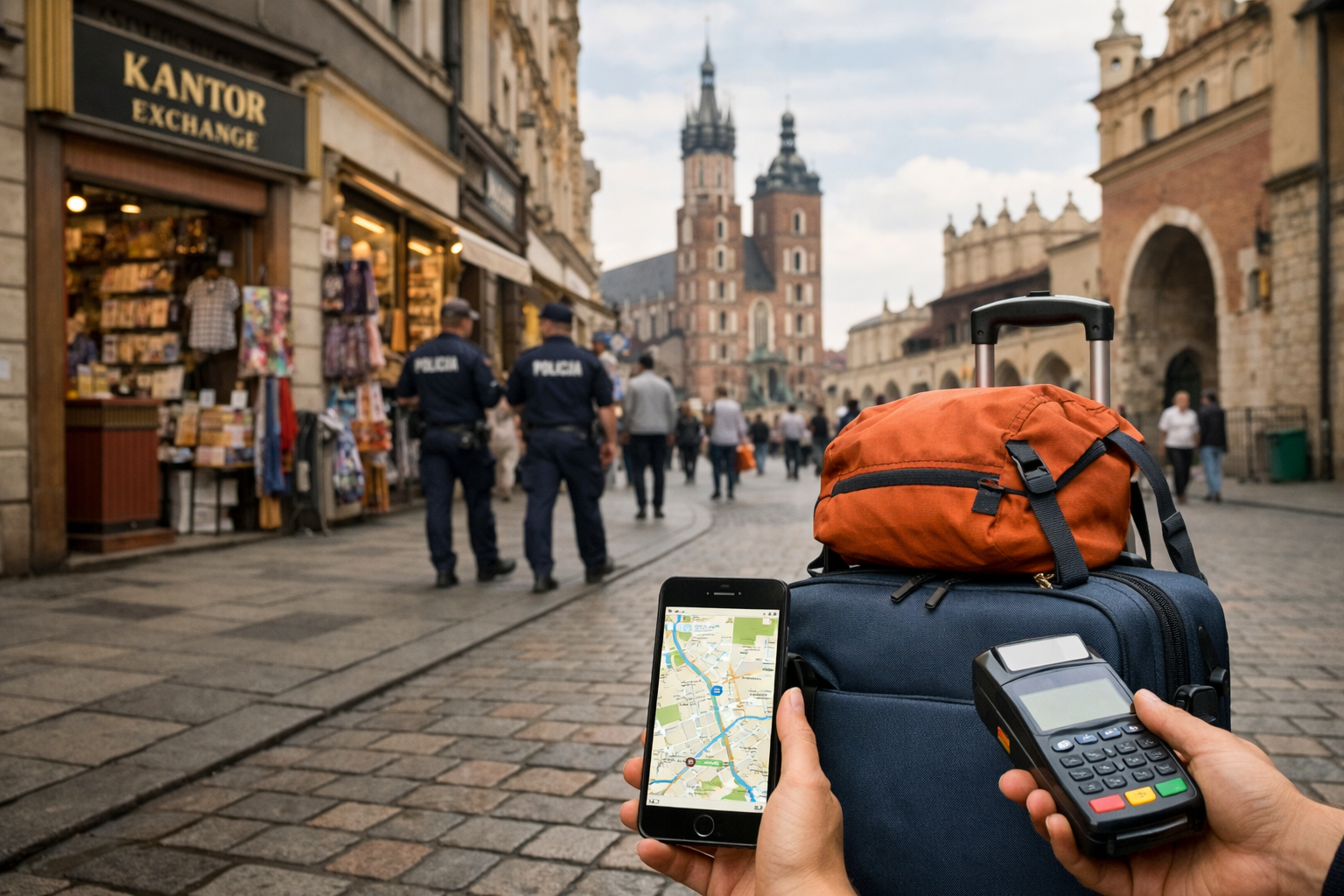
Yes, Krakow is generally safe for visitors. Most trips pass without serious problems, but Krakow is a busy tourist city where sensible precautions matter. The main everyday risks are pickpocketing in crowded places, problems linked to late-night drinking, road traffic and poorly chosen transport. Keep your valuables secure, use clearly identified taxis or reputable transport services, and save the emergency number 112 in your phone.
Safety is not identical to the absence of crime. It is better understood as knowing where ordinary risks arise and having a simple plan for dealing with them. That approach lets you enjoy Krakow without treating the city’s historic centre, nightlife areas or public transport as places to avoid.
What does the available safety information say?
A Krakow residents’ survey conducted in November 2025 found that 89.6% of respondents considered Krakow a safe city. This is useful reassurance, but it is not a direct measurement of risk for foreign tourists. Residents and visitors move through the city differently, and a survey of local opinion is not the same as tourist-specific crime statistics.
City-wide crime figures should also be treated carefully. They cover the whole of Krakow and a range of offences, rather than describing what is likely to happen to one visitor staying for a few days. The practical conclusion is balanced: Krakow is not a city that requires exceptional precautions, but normal urban awareness is worthwhile, particularly in crowded places and after dark.
Where should visitors be most careful?
Pickpocketing is the most relevant everyday concern for many tourists. Pay particular attention on crowded public transport, at major railway stations, on trains and in busy tourist areas. Keep your phone and wallet in closed front pockets or a secure bag, rather than in an open coat pocket or a backpack’s outer compartment.
Distraction is often more important than the location itself. Someone asking for directions, brushing past you, creating confusion at a ticket machine or standing unusually close in a crowd may simply be another traveller, but these are moments when it is sensible to check your belongings. Do not leave a phone on a café table near the pavement, and avoid displaying large amounts of cash.
This does not mean that Krakow’s popular districts should be treated as forbidden areas. The Old Town, the Main Market Square, Kazimierz and other visitor destinations are central to a normal Krakow trip. The useful rule is to stay attentive where crowds, alcohol and distractions combine, rather than assuming that an entire neighbourhood is unsafe.
How can you stay safe on a night out?
Krakow has a lively evening scene, but a little planning makes a significant difference. Keep your drink with you, do not accept drinks from strangers if you are uncomfortable, and check your bill before paying. If you are travelling with friends, agree how you will return to your accommodation before the evening becomes too late or anyone has been drinking.
After a night out, use a recognisable taxi or another reputable transport option rather than accepting an unsolicited ride. Stay with your group where possible, keep your phone charged and avoid walking while distracted by navigation. If you become separated, choose a well-lit public place such as a hotel reception, a staffed transport point or another established business where you can wait and contact your companions.
Be especially cautious if somebody pressures you to enter a venue, promises an unusually attractive deal or tries to hurry you through a payment. You can leave without explaining yourself. If you feel threatened, move towards staff, other travellers or an area with people and contact the emergency services when necessary.
Compare the next practical option for your trip.
What should you know about taxis in Krakow?
Licensed Krakow taxis should have visible identification and a fare card. They are subject to municipal maximum fares, which means the published amounts are limits under the relevant tariff, not a guaranteed price for every journey. The final cost can depend on the route, tariff conditions and any applicable waiting or additional charges.
The municipal maximum fare information includes a 9 zł initial charge. In the first tariff zone, the maximum rate is 6 zł per kilometre at night, on Sundays and on public holidays. These figures should not be treated as a quotation for a particular airport, station or hotel journey.
Before getting in, check that the vehicle has the expected external markings and an accessible price list. If the arrangement feels unclear, choose another clearly identified taxi or book through a reputable service. Keep the receipt if one is provided, particularly if the fare seems inconsistent with the information displayed in the vehicle.
What emergency numbers should visitors save?
Save these numbers before you need them. In an immediate danger involving health, life or property, call 112. Operators can direct the incident to the appropriate service.
- 112 – the general emergency number for urgent threats to life, health or property
- 997 – police
- 999 – ambulance service
- 998 – fire service
- 986 – Krakow municipal police
When calling, state that you are in Krakow and give the street name, building number or a nearby landmark. If you do not speak Polish confidently, say so clearly and provide your location from a map application. Do not delay an emergency call while trying to find the perfect description.
How can you avoid common transport problems?
Traffic deserves as much attention as theft. Look both ways before crossing, follow pedestrian signals and do not step into a cycle lane or road while looking at your phone. Trams can approach quietly and have priority in many situations, so keep clear of tracks and marked stops while waiting.
On public transport, keep bags closed and in front of you when vehicles are crowded. Have your ticket ready before boarding or validate it according to the instructions for the ticket type.
What is the sensible overall approach?
Krakow has a city-wide safety programme, “Bezpieczny Krakow”, covering 2025-2028. A municipal programme is useful context, but it should not be interpreted as a promise that risk has been eliminated or that help is permanently present in every location.
For visitors, the most effective routine is straightforward: secure your valuables in crowds, be measured with alcohol, use clearly identified transport, check taxi markings and fares, and know how to reach emergency services. Krakow is suitable for ordinary holidays and short breaks; practical awareness is the right response, not fear.