The best time to visit Krakow depends on your priorities. Choose late spring or early autumn for a good balance of walking conditions, cultural sightseeing and manageable demand. Choose summer for the fullest events calendar, winter for festive atmosphere, or late autumn and early spring for a quieter cultural break. Before booking, check public holidays, event dates and seasonal opening rules for major attractions.
When is the best time to visit Krakow for most travellers?
For many visitors, May, June, September and early October offer the most useful compromise. Krakow is well suited to exploring on foot, and these months can make it easier to combine the Old Town, Wawel Hill, museums, cafés and day trips without making the whole trip depend on summer conditions.
However, “shoulder season” does not automatically mean low demand. Krakow’s calendar includes concerts, festivals, conferences and seasonal markets, so accommodation availability can change sharply around particular dates. Early October, for example, is not necessarily quiet: EXPO Kraków has scheduled events on 7-8 October 2026 and again on 22-25 October. A further event is planned for 4-6 November. If you are staying near the exhibition centre, check the city’s event calendar before assuming that an autumn booking will be easy or inexpensive.
How do Krakow’s seasons compare?
Spring: good for sightseeing, with event-sensitive dates
Spring is appealing for visitors who want to spend much of the day outdoors while retaining plenty of indoor options. Late March and early April can be particularly lively because Krakow’s 2026 Easter Market was scheduled for 26 March-6 April. That period should be treated as an event-sensitive part of the calendar rather than an automatically quiet alternative.
May can also bring a noticeable increase in demand. Krakow hosted Juwenalia Krakowskie from 13 to 23 May 2026, while the BIP Kraków event list also recorded Film Music Festival events during May. Those 2026 dates have now passed, but they illustrate why a spring visit can coincide with large cultural programmes and temporary pressure on accommodation.
Best for: visitors combining outdoor sightseeing with museums and seasonal events. Check the calendar before booking around Easter and May.
Summer: longest days and a busy cultural programme
Summer suits travellers who want flexibility for long sightseeing days, riverside time and excursions beyond the centre. It is also a popular period for city breaks, so the most convenient accommodation and well-located rooms can attract stronger demand.
Summer is not automatically the best choice for everyone. Popular attractions may feel busier, and warm or unsettled weather can make a tightly packed walking itinerary less comfortable. Build some flexibility into your plans and keep indoor alternatives available, particularly if you are visiting with children.
Polish public holidays can also affect local operations. In 2026, these include 4 June and 15 August. Around a public holiday, museums, shops, services and transport arrangements may operate differently, so confirm the details directly for anything essential to your itinerary.
Autumn: strong for culture and a potentially better balance
September and early October are often a practical choice for travellers who prefer cultural sightseeing to peak-summer travel. You can plan a mixture of historic sites, galleries, cafés and indoor attractions while leaving room for changes in the weather.
Do not assume every autumn week will be quiet. The EXPO Kraków dates in October and November may create short-term demand spikes, especially for accommodation convenient to the venue. Late autumn can otherwise suit visitors looking for a more atmospheric city break, but daylight is shorter and outdoor plans benefit from greater flexibility.
Best for: museum-focused trips, cultural events and visitors who want a seasonal compromise. Check EXPO Kraków dates before choosing accommodation.
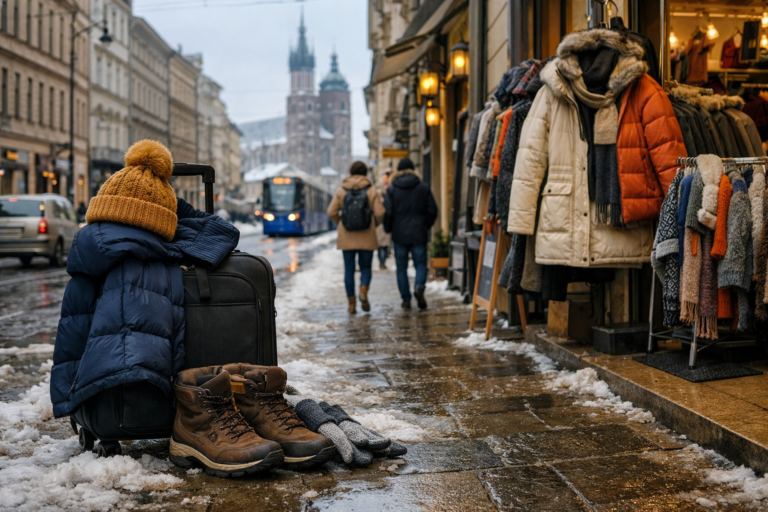
Winter: festive atmosphere, shorter days and more closures to check
December can be an attractive time to visit Krakow for lights, seasonal food and a festive city-centre atmosphere. The main Christmas Market on the Main Square was listed in one organiser’s 2026 offer for 27 November 2026-6 January 2027. Treat that range as provisional, because another organiser’s material gives different dates. Confirm the current official announcement before arranging a trip specifically around the market.
Winter also requires more careful planning. Shorter daylight limits how much outdoor sightseeing you may want to do in one day, while 24-26 December are Polish public holidays. Museums, shops, restaurants, services and transport may not follow normal arrangements during the Christmas period. The same principle applies to 1 and 11 November, which are also public holidays in 2026.
January and February can work well for travellers prioritising indoor culture and a less event-led atmosphere, but avoid building an itinerary that depends on every attraction being open every day. Check individual websites before travelling, especially for ticketed exhibitions and seasonal programmes.
Compare the next practical option for your trip.
What should you check before visiting Wawel?
Wawel Hill and the castle are separate operational layers. Wawel Hill is available daily, but its closing time changes by season. That does not mean every castle exhibition is accessible until the hill closes. Check the specific route, exhibition and admission information before planning a late visit, particularly in autumn and winter.
How should you choose your dates?
Start with the experience you want rather than a supposedly perfect month. For comfortable walking and a balanced itinerary, look first at late spring or early autumn. For festivals and a fuller events programme, consider late spring or summer, accepting that demand may be higher. For Christmas atmosphere, choose December only after confirming the market programme and holiday opening arrangements. For a quieter cultural trip, look at late autumn or winter and keep your schedule adaptable.
Whichever season you choose, check Krakow’s current event listings, Polish public holidays and the individual opening information for attractions shortly before booking and again before travel. This small amount of planning matters more than selecting one universal “best” month.